

Airbrush vs. Traditional Bridal Makeup: How to Choose
Two beautiful finishes, two different feels. Which one photographs best, lasts longest, and suits your skin, without the jargon.
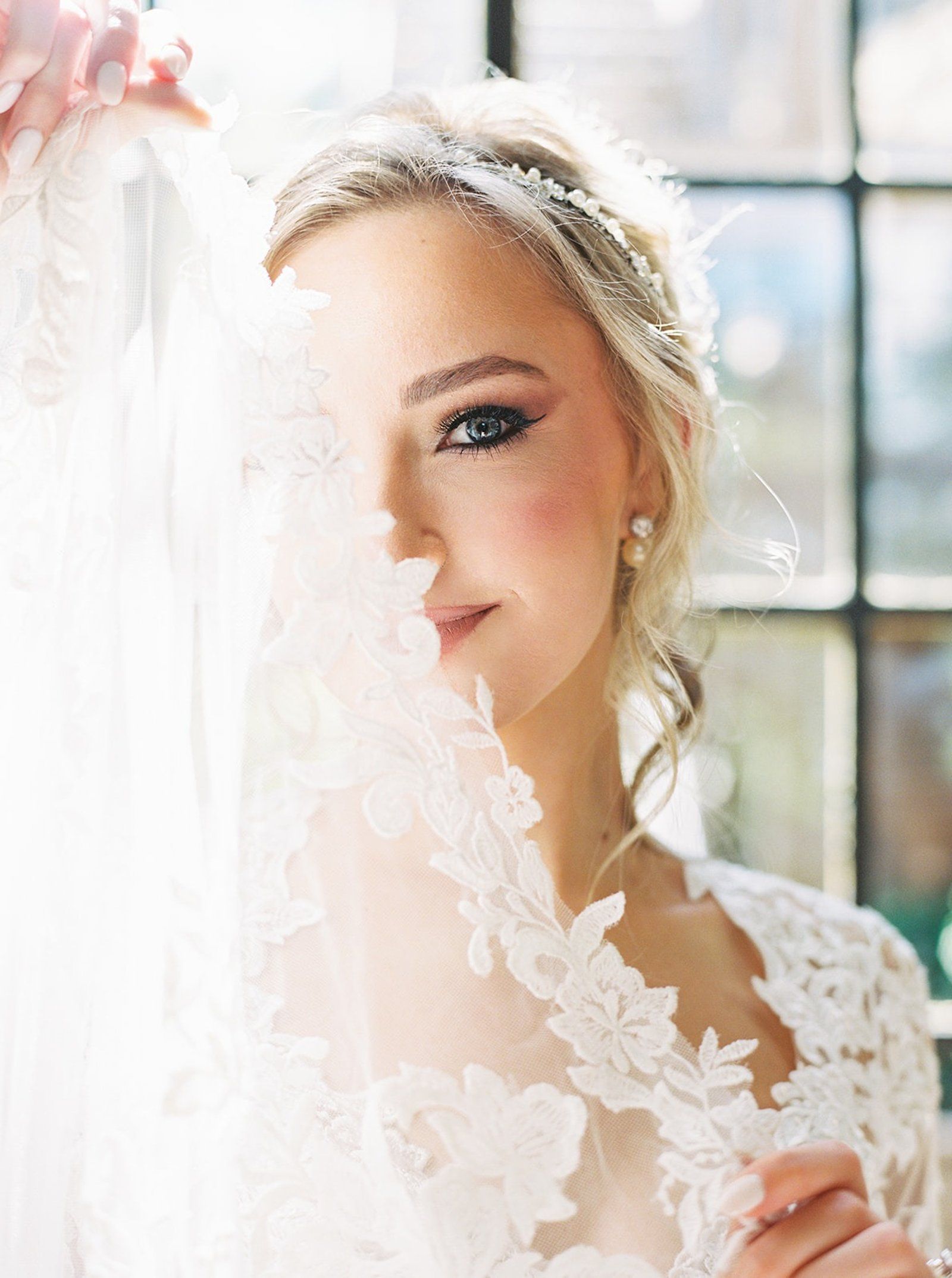
Both look beautiful in person and in photos. Airbrush is lightweight and water-resistant with a smooth, long-wearing finish. It is ideal for oily or combination skin, warm weather, and long days. Traditional is applied by hand, endlessly buildable, and gives a warmer “your-skin” look that suits dry, mature, or very fair skin. The right choice comes down to your skin type, the season, and the finish you love.
Almost every bride asks some version of this: should I do airbrush? The honest answer is that there is no universally “better” one. Both can look exquisite. What matters is matching the technique to your skin and your day. Here’s how we talk it through at the trial.
The two finishes, in plain terms
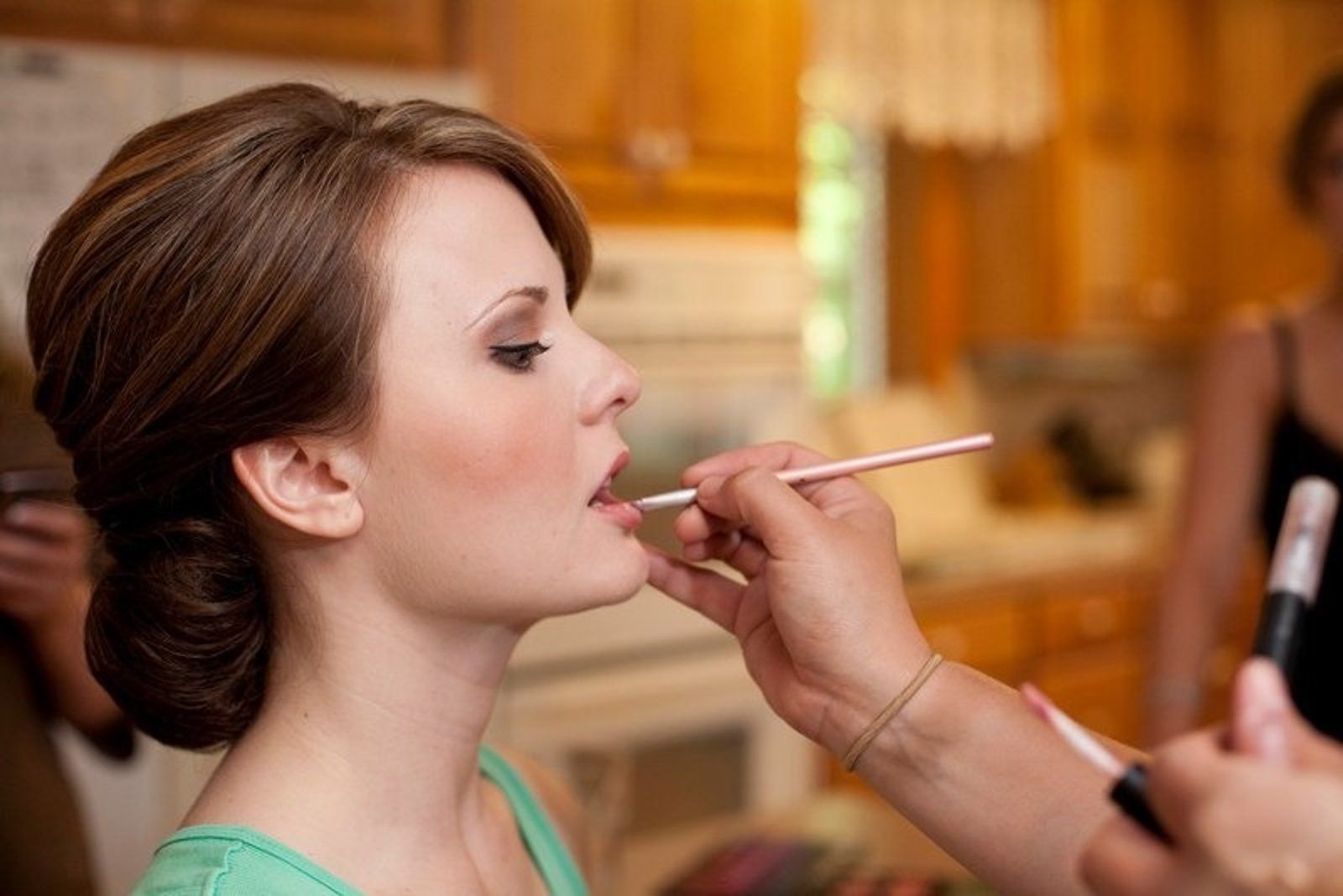
Airbrush makeup is a foundation misted on in fine, thin layers with a tiny air-powered gun. Because it sits in delicate veils rather than one opaque coat, it reads as very smooth and even. Traditional makeup is applied by hand with brushes, sponges, and beauty blenders (the technique most of us already know) using cream and liquid products you can layer exactly where you want them.
How they photograph
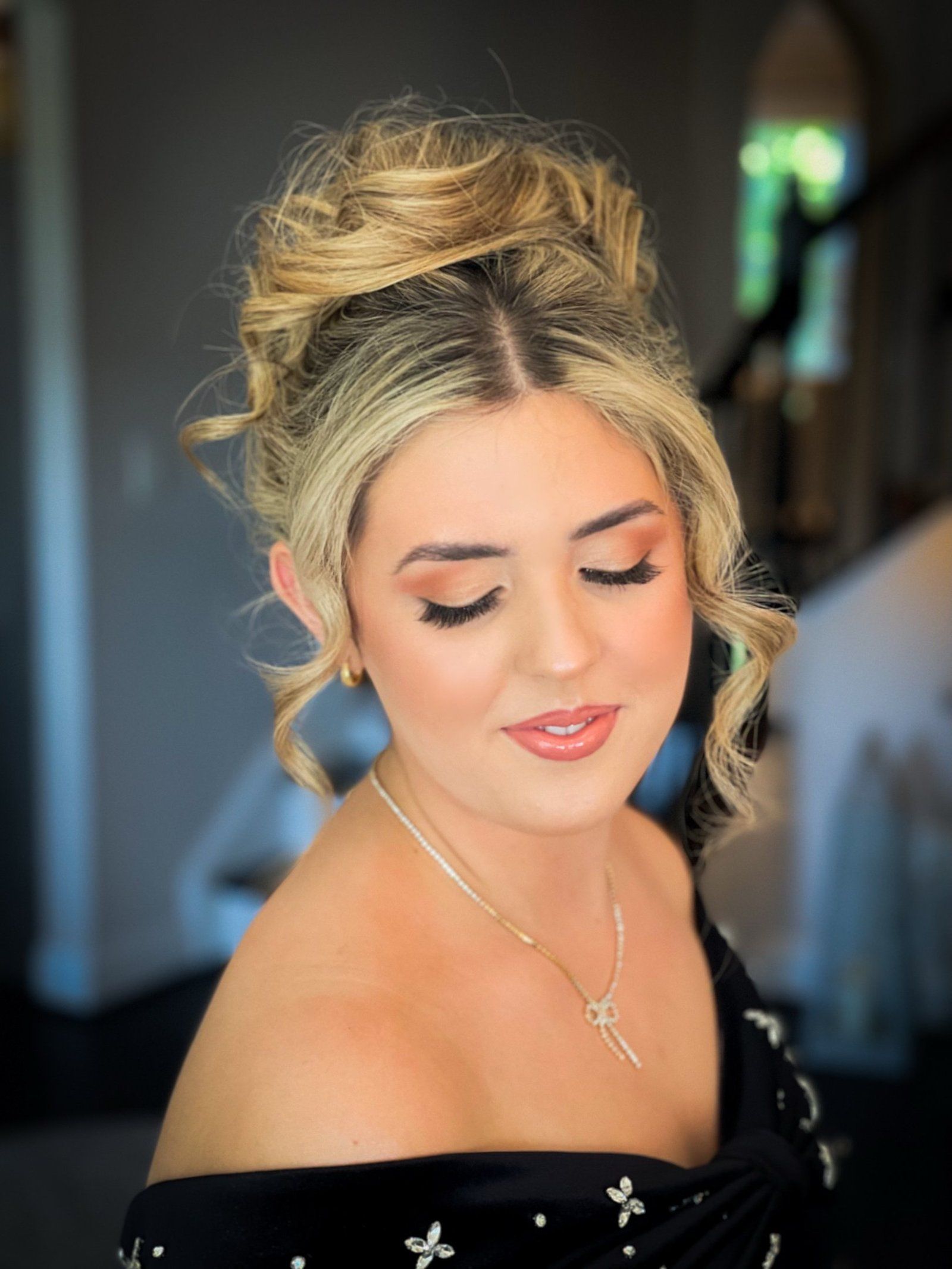
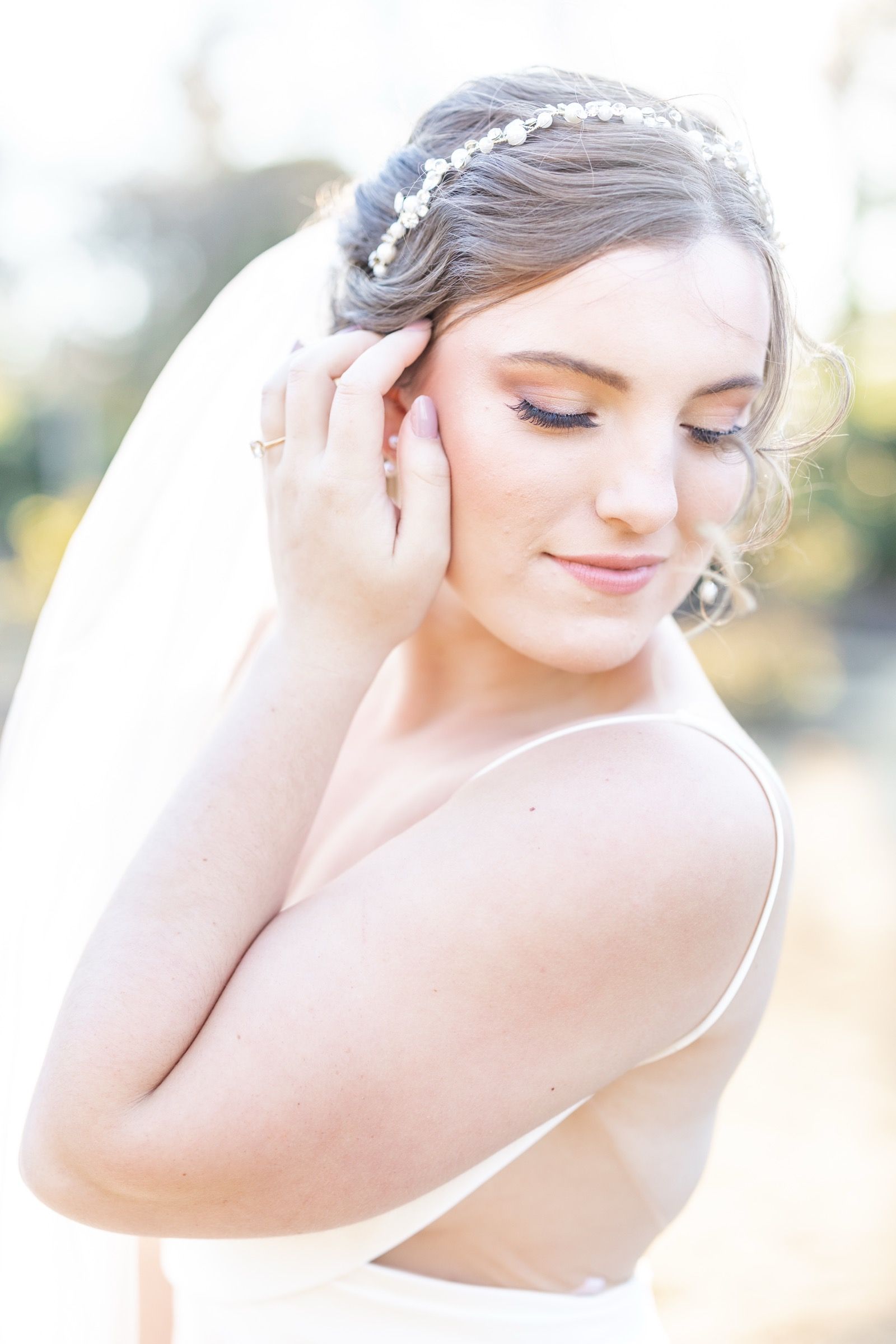
This is where brides worry most, and the good news is that both photograph beautifully when applied well. Airbrush gives an ultra-even, almost pore-blurred finish that holds up under flash and close-ups. Traditional, finished with the right setting powder, gives a slightly warmer, more textured “real skin” look that many photographers love for natural light. Neither one looks like a mask when it’s done by an experienced artist.
Wear time & weather
A North Carolina summer is the real test. Airbrush is water- and transfer-resistant, so it tends to hold its own through heat, humidity, and happy tears with minimal touch-ups. Traditional makeup absolutely lasts all day too. It just leans more on great skin prep and a proper setting spray to lock it in.
Your skin type matters most
If you take one thing from this: let your skin lead the decision.
- Oily or combination skin: airbrush’s thin, matte-leaning finish usually wears cleaner through the day.
- Dry or mature skin: traditional cream products tend to look more luminous and sit more comfortably in fine lines.
- Very fair or very deep skin: traditional offers the widest shade-matching and easiest custom blending.
- Textured or acne-prone skin: traditional lets us spot-build coverage exactly where it’s needed.
- Sensitive skin: either works beautifully; we simply prep and patch-test with that in mind.
There is no “better” finish. There is only the one that’s better for you.
What we usually recommend
For a long summer day, an outdoor celebration, or anyone who tends to get shiny, we often suggest airbrush. For a dewy, soft-glam winter look or skin that runs dry, traditional is frequently the more flattering choice. Our bridal makeup artists work in both techniques, so you don’t have to choose blindly. A trial is the best place to see both against your own skin and your dress.
- Both airbrush and traditional photograph beautifully. Neither looks heavy when done well.
- Airbrush suits oily/combination skin, heat, humidity, and long wear.
- Traditional suits dry or mature skin and offers the widest shade-matching.
- Skin type should drive the choice more than trends.
- A trial lets you compare both finishes on your own skin before the day.
The short version
Does airbrush makeup look cakey or heavy?
No. Airbrush is applied in fine, thin layers, so it typically reads as lighter and more natural than people expect (not mask-like) when done by an experienced artist.
Which lasts longer, airbrush or traditional makeup?
Airbrush is water- and transfer-resistant and tends to hold up especially well in heat and humidity. Traditional makeup also lasts all day when paired with good skin prep and a setting spray.
Which is better for wedding photos?
Both photograph beautifully. Airbrush gives an ultra-even, pore-blurred finish under flash; traditional gives a warmer, more natural-skin look. The best choice depends on your skin and the lighting.
Is airbrush better for oily skin?
Often, yes. Airbrush’s lightweight, matte-leaning finish usually wears cleaner on oily and combination skin through a long day.
Can I see both before deciding?
Yes. A trial is the ideal time to compare airbrush and traditional against your own skin tone, your dress, and your lighting, so you can choose with confidence.
Is airbrush makeup better for weddings?
Neither technique is universally better for weddings; the right one depends on your skin and your day. Airbrush is lightweight, water- and transfer-resistant, and tends to wear cleaner on oily or combination skin and through heat and humidity. Traditional makeup gives a warmer, your-skin finish that suits dry or mature skin and offers the widest shade-matching. Both photograph beautifully when applied well.
Does airbrush makeup last longer than traditional?
Airbrush often holds up especially well over a long day because it is water- and transfer-resistant, so it resists heat, humidity, and happy tears with minimal touch-ups. Traditional makeup also lasts all day when paired with good skin prep and a setting spray. In practice, both are long-wearing; airbrush simply leans more durable in tough conditions.

Ready to plan
your morning?
Tell us your date and we'll check availability for your wedding. One package price wherever we travel.